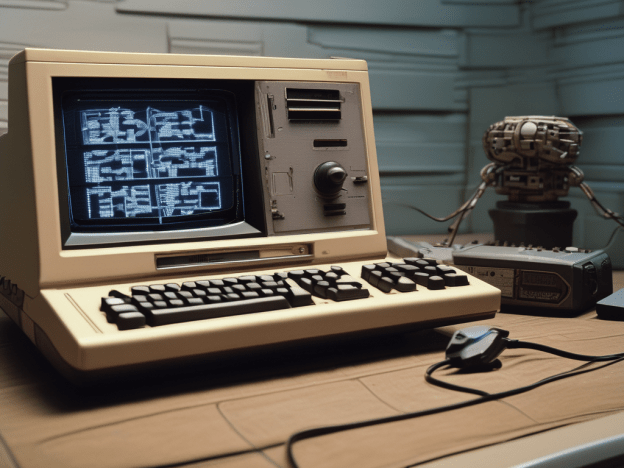
In the fast-paced world of modern computing, where sleek interfaces and seamless connectivity reign supreme, it’s easy to forget about the old tools that paved the way for today’s digital marvels. One such tool is Telnet. Though it may seem antiquated now, Telnet has a storied history and even today, offers some unexpectedly fun uses that you can enjoy right from your keyboard.
See related video in my Youtube channel.
What is Telnet?
Telnet, short for “TELetype NETwork,” is one of the earliest protocols used for accessing remote computers over the internet or a local network. Telnet allows users to connect to remote servers and interact with them as if they were local, using a text-based interface. Before graphical user interfaces (GUIs) became the norm, Telnet was a fundamental tool for system administrators, developers, and anyone needing remote access to a computer.
Telnet operates on the client-server model. A Telnet client connects to a Telnet server via the command line or a terminal emulator, and once connected, users can execute commands on the remote machine. It was a revolutionary tool in its time, but it lacks the security features of more modern protocols like SSH (Secure Shell). As a result, Telnet has largely fallen out of favour for secure communications but remains a fascinating relic of the early internet.
Two Fun Uses of Telnet
Despite its outdated nature, Telnet can still provide a surprising amount of entertainment. Here are two fun and nostalgic uses of Telnet that you can try out:
1. Watch Star Wars in ASCII Art
One of the most delightful Easter eggs hidden on the internet is the ability to watch “Star Wars: Episode IV – A New Hope” rendered entirely in ASCII art via Telnet. This project, created by Simon Jansen, captures the magic of the iconic film using nothing but characters from the ASCII table.
How to Watch:
- Open your terminal or command prompt.
- Type the following command and press Enter:
telnet towel.blinkenlights.nl
You will be greeted with a surprisingly detailed rendition of the Star Wars universe, complete with scrolling text and iconic scenes—all crafted with ASCII characters. It’s a testament to the creativity of early internet enthusiasts and a fun way to revisit a classic film.
2. Relive the Max Headroom Phenomenon
Max Headroom, the iconic 1980s character known for his glitchy, computer-generated appearance and stuttering speech, became a symbol of futuristic tech and cyberpunk aesthetics. While Max Headroom’s origins lie in TV, movies, and commercials, you can experience a bit of this retro-futuristic character through Telnet.
How to Connect:
- Open your terminal or command prompt.
- Type the following command and press Enter:
telnet 1984.ws
You’ll be greeted with a Max Headroom emulation that pays homage to the quirky and groundbreaking character. It’s a fun way to dive into the retro-futuristic world that captivated audiences in the 80s.
How to Exit Telnet
While exploring Telnet is fun, knowing how to exit the session is equally important. Exiting Telnet sessions can vary slightly depending on the client and the server configuration, but here are the general steps:
- Use the escape sequence:
- Typically, you can use the escape sequence
Ctrl+](holdCtrland press]). This should bring you to the Telnet command prompt (telnet>).
- Typically, you can use the escape sequence
- Close the connection:
- Once at the Telnet command prompt, type
quitorexitand press Enter. This should close the Telnet session and return you to your original command prompt.
- Once at the Telnet command prompt, type
- Alternative method:
- If the above methods don’t work, simply closing the terminal or command prompt window will also terminate the Telnet session.
- If your console is weird after telnet, run “reset”
Conclusion
Telnet may no longer be the go-to tool for remote computing, but its legacy lives on in unexpected ways. Whether you’re an old-school tech enthusiast or just looking for a bit of nostalgic fun, exploring Telnet can be a rewarding experience. From watching Star Wars in ASCII art to reliving the Max Headroom phenomenon, these hidden gems highlight the enduring creativity and innovation of early internet culture. So, fire up your terminal, connect to a Telnet server, and take a step back in time—you might just be surprised by what you find. And when you’re ready to log off, just remember those simple steps to exit. Happy exploring!
 ivanmosquera.net